
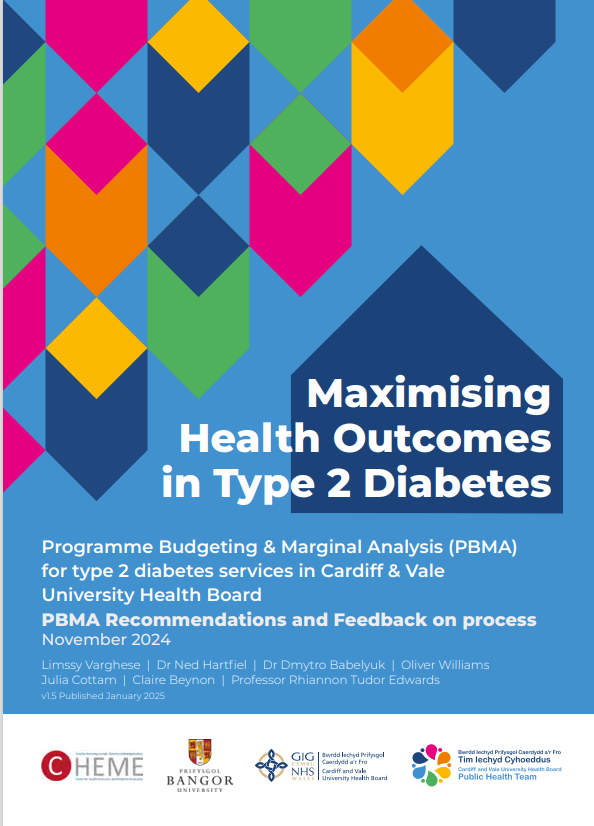
The new, co-produced Type 2 Diabetes Improvement Plan launched by Cardiff and Vale University Health Board, in partnership with the Regional Partnership Board and health economists at Bangor University has already been reporting success. The plan sets out bold, evidence-based priorities to prevent, manage, and reduce the growing impact of Type 2 diabetes across our communities.
The initiative, launched on 26 March 2025, draws on a comprehensive evaluation by the Centre for Health Economics and Medicines Evaluation (CHEME), and reflects input from clinicians, third sector partners, and people living with diabetes.
It is more than a clinical strategy—it’s a shared commitment to transform how people can be supported to live well. Through co-production, it has been identified not only where to focus investment, but how to create real impact in the community. This work directly supports the Cardiff and Vale RPB’s North Star priority to tackle diabetes through a whole-system prevention approach. By aligning regional planning, primary care delivery, and lived experience insight, the RPB is embedding diabetes prevention across its Starting Well, Living Well, and Place-Based Care workstreams. The Improvement Plan also informs the RPB’s annual delivery planning, performance reporting, and capital investment decisions — ensuring diabetes remains a shared strategic focus for the entire region.
Early Impact Already Evident
In June 2025, Public Health Wales reported that participants engaged through Cardiff and Vale’s Diabetes Prevention Programme saw a 23% reduction in average risk scores for developing Type 2 diabetes, following just 12 weeks of tailored diet, lifestyle and movement support delivered through primary care clusters.
Plan Highlights
The evaluation identifies six priorities for future investment:
- Expanding community diabetes specialist nursing – for improved medication reviews and personalised care
- Scaling up the All-Wales Diabetes Prevention Programme – targeting those at risk in GP cluster areas
- Introducing peri-operative diabetes nurse specialists – to reduce risk in surgical settings
- Creating community clinical spaces – for integrated, accessible support
- Delivering structured education – for children, families and schools
- Employing exercise support professionals – to embed long-term behavioural change
These priorities will guide regional funding decisions and delivery planning across RPB workstreams including Starting Well, Ageing Well, and Place-Based Care.
Read the full evaluation report and improvement plan here